Lorem ipsum dolor sit amet, consectetuer adipiscing elit, sed diam nonummy nibh euismod tincidunt. Learn More

Building a Roadmap for Prenatal-to-3 State Policy (with Cynthia Osborne) 

PRINT

Cynthia Osborne discusses the work of the Prenatal-to-3 Policy Impact Center, which focuses on building the evidence base for effective state policies to improve outcomes for infants, toddlers, and their families.


Dr. Osborne explains the importance of the prenatal-to-three period in shaping children’s development, and describes the rigorous process the Center uses to identify effective policies and strategies. She also discusses the just-released 2023 Prenatal-to-3 State Policy Roadmap, which lays out the most recent research on the best public investments states can make to impact child outcomes, and shows where each state is on the most effective policies and strategies. 

Read the full article from Center on Child and Family Policy

Related

Mama, daughter and bonding with infant in bedroom, holding toddler

State Strategies to Address the Benefits Cliff

Explore how states are addressing the benefits cliff by coordinating public assistance, phasing out benefits gradually, and supporting economic mobility.
Little girl looking out the window

Policies on the Prenatal-to-3 State Policy Roadmap that Promote Housing Security

Safe and stable housing is a foundational social predictor of health and critical for early child development and economic stability throughout life.
PN-3 Research to Policy Summit Website Featured Image

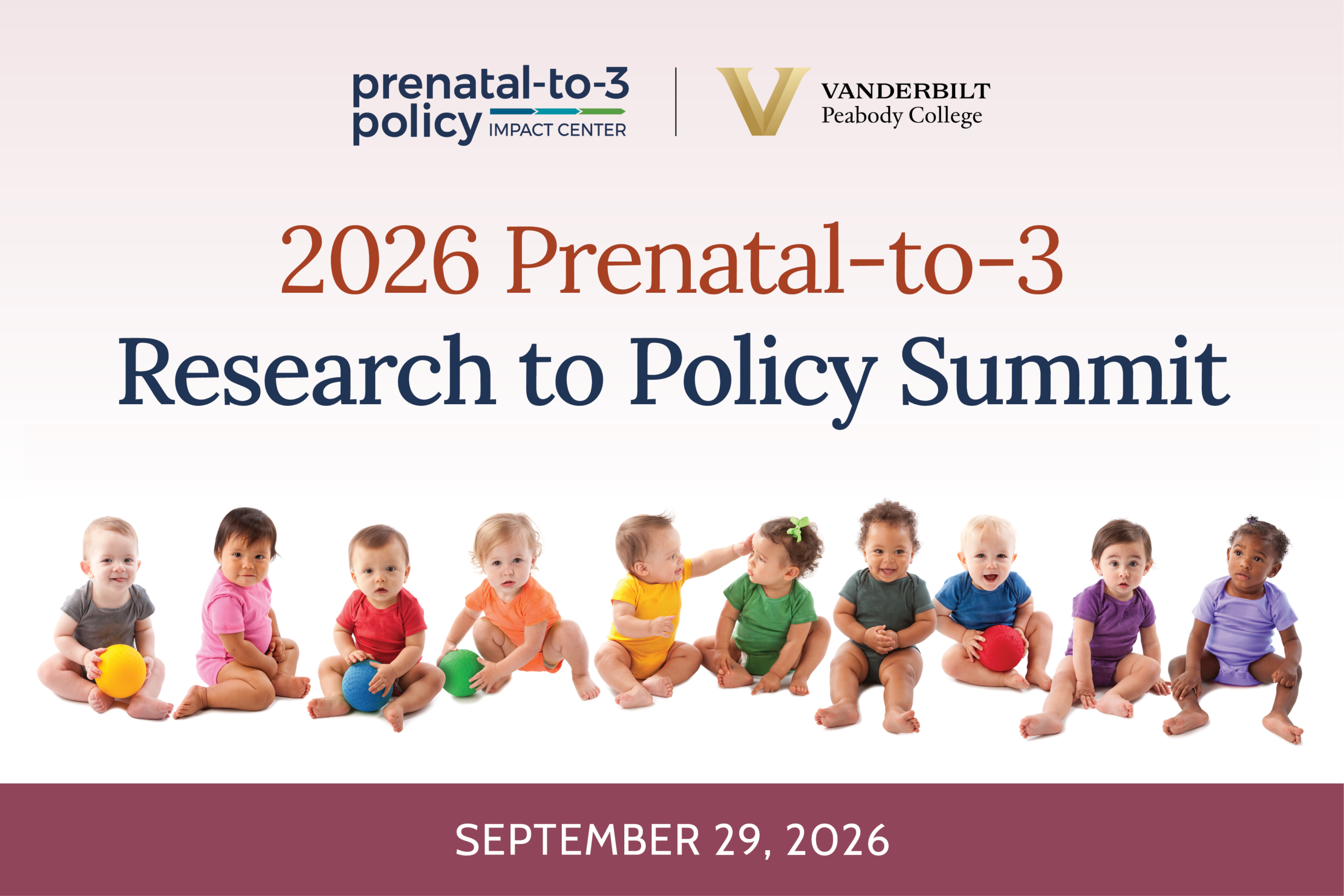
2026 Prenatal-to-3 Research to Policy Summit​

Join us September 29 to explore how the prenatal-to-3 policy landscape changed from 2016 to 2026.