Lorem ipsum dolor sit amet, consectetuer adipiscing elit, sed diam nonummy nibh euismod tincidunt. Learn More

State Policy Lever Checklist: State Earned Income Tax Credit

PRINT

A refundable state earned income tax credit (EITC) of at least 10% of the federal credit promotes healthier and more equitable birth outcomes, increases parents’ workforce participation, and improves household economic security, with the greatest effects for single mothers and their children.

This Policy Lever Checklist contains a list of considerations for state leaders to help maximize the effectiveness of a state EITC. It also underscores the implications of these policy choices and their collective impact on equitable access to the EITC among eligible families in their state.

This checklist covers the following components of an earned income tax credit:

  • Program characteristics
  • Eligibility
  • Administration and funding
EITC Policy Lever Profile Thumbnail

State Policy Lever Checklist: State Earned Income Tax Credit

Related

Mama, daughter and bonding with infant in bedroom, holding toddler

State Strategies to Address the Benefits Cliff

Explore how states are addressing the benefits cliff by coordinating public assistance, phasing out benefits gradually, and supporting economic mobility.
Little girl looking out the window

Policies on the Prenatal-to-3 State Policy Roadmap that Promote Housing Security

Safe and stable housing is a foundational social predictor of health and critical for early child development and economic stability throughout life.
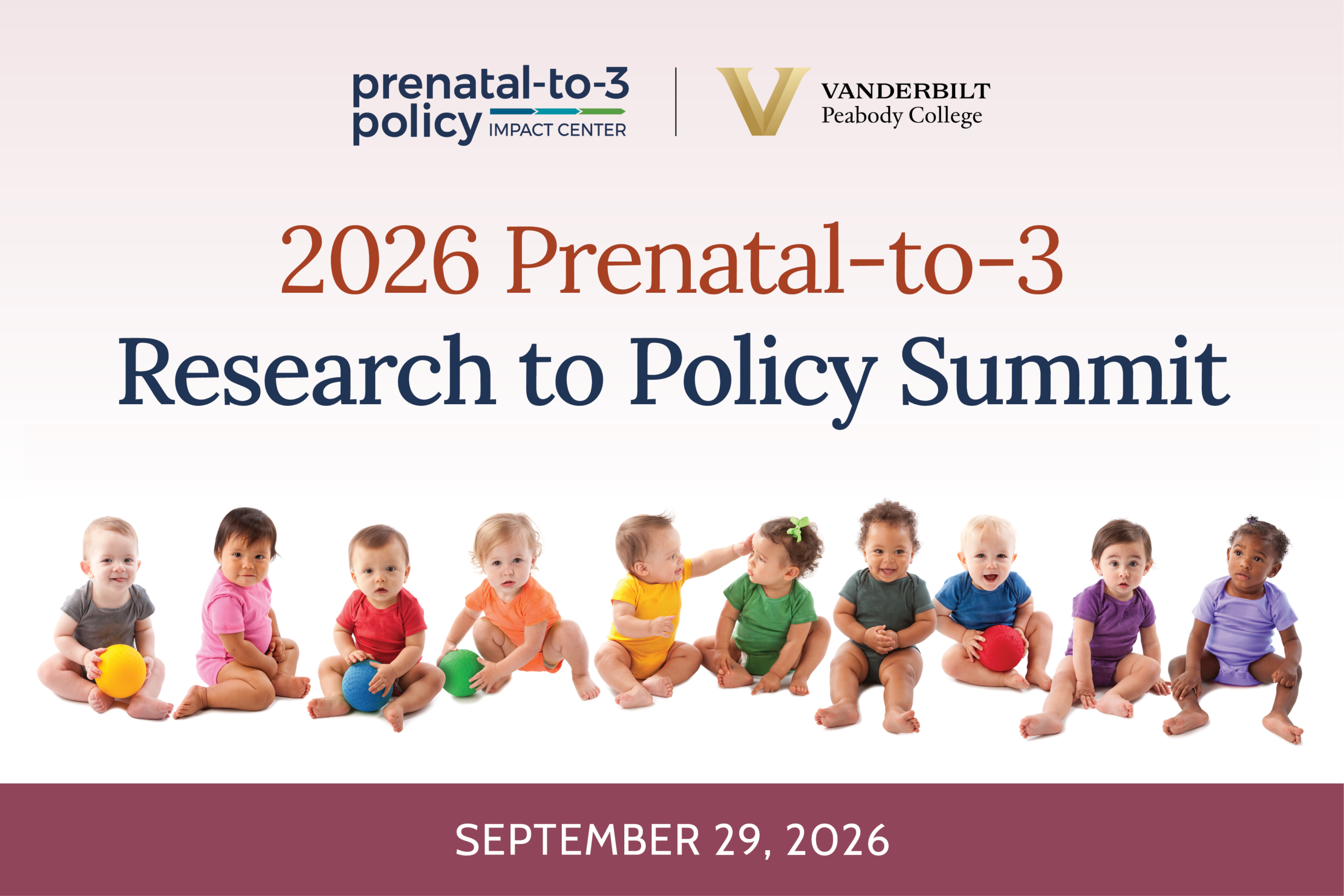
PN-3 Research to Policy Summit Website Featured Image

2026 Prenatal-to-3 Research to Policy Summit​

Join us September 29 to explore how the prenatal-to-3 policy landscape changed from 2016 to 2026.