Lorem ipsum dolor sit amet, consectetuer adipiscing elit, sed diam nonummy nibh euismod tincidunt. Learn More

To ensure children thrive from the start

PRINT
Early in her career, Cynthia Osborne learned that the pathway to opportunity is paved by much more than a quality education. In 1994, a few years after graduating from college, Osborne began teaching middle school while also obtaining her master’s degree in education. “My students were largely from socioeconomically disadvantaged backgrounds, and they taught me that while their classroom learning and my instruction mattered, it didn’t matter nearly as much as what was going on in their communities and in their families. That drew me to want to understand how families and communities can be better supported, so that all kids have the experiences that they deserve,” said Osborne, professor of early childhood education and policy and executive director of the Prenatal-to-3 Policy Impact Center at Vanderbilt Peabody College of education and human development.

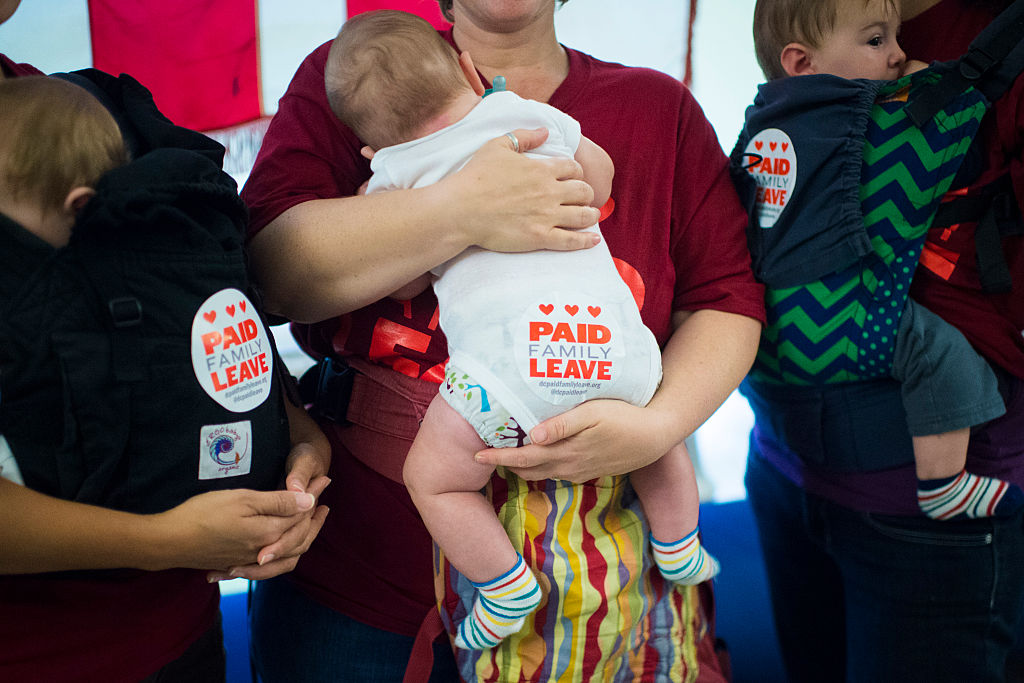
Read the full article from Vanderbilt.edu

Related

State Policy Progress on Community-Based Doulas in 2025

Many expectant parents share a similar experience of being overwhelmed during one of life’s most transformative periods. Identified as one of several effective policies that can impact a state’s prenatal-to-3 system of care in our
Mother holding her newborn baby in a baby carrier sitting on a sofa bonding with her. They are at their home in Sedgefield, North East England. The baby is sleeping while the mother kisses her head.

Benefit-Cost Analysis of a Paid Family and Medical Leave Program in Vermont

Paid family and medical leave policies are proven to strengthen families’ economic security, support the health and wellbeing of children and parents, and improve mothers’ labor force participation, among other benefits. In partnership with the

State Policy Progress on Child Care Subsidies in 2025

High-quality and reliable child care is a vital resource for families and communities, often determining parents’ ability to work or pursue education or training—all avenues that could help them provide for their families. However, the