- Home
- /
- Research Topics
- /
- Breastfeeding
Breastfeeding
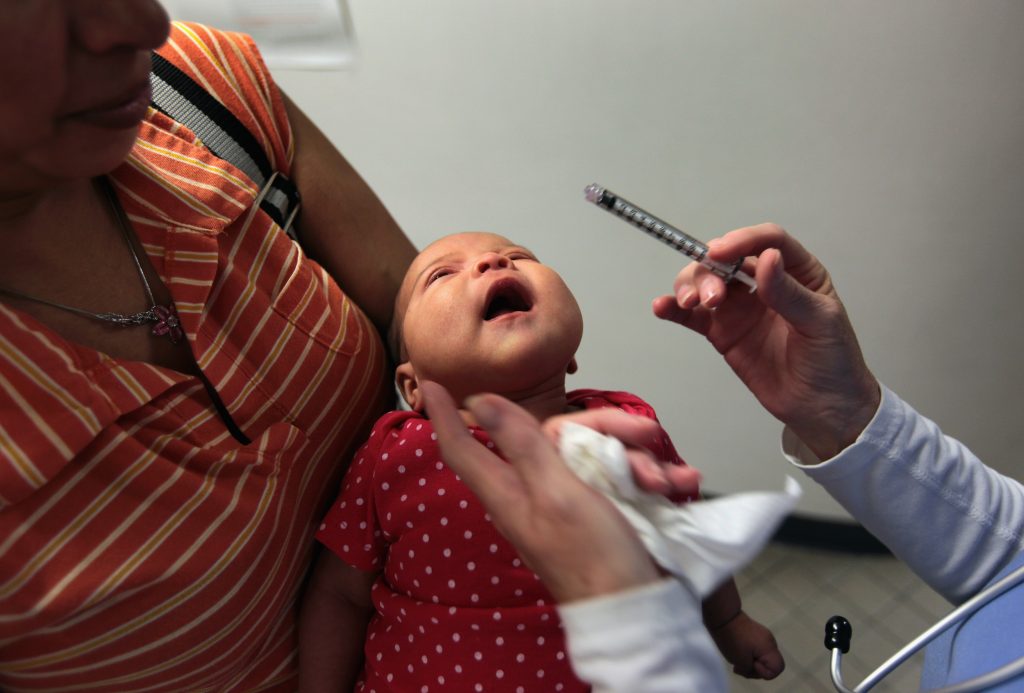
Breastfeeding is associated with better health outcomes for mothers and children. Unfortunately, challenges such as unsupportive workplace policies and hospital practices can limit mothers’ opportunities for breastfeeding, and these difficulties contribute to racial disparities in the initiation and duration of breastfeeding.
Featured Resource
Browse state-level data on breastfeeding initiation alongside other outcome measures to track the overall health and wellbeing of infants and toddlers and their parents.
Related Resources
Why Do We Focus on the Prenatal-to-3 Age Period?: Understanding the Importance of the Earliest Years
The most rapid period of growth for the human brain occurs in the earliest years of life. Our health and wellbeing prenatally and during the first 3 years of life affect all future learning, behavior, and health.
- Blog
- |
Since 2019, the Prenatal-to-3 Policy Impact Center has empowered states with evidence on which policies positively impact very young children and their parents. Reviewing the evidence connecting state policies to outcomes for young children and
- Blog
- |
The Roadmap is best known for its 12 evidence-based policy solutions, but did you know we track all 50 states and the District of Columbia on 20 measures of child and family health and wellbeing?
- News
- |
Minnesota policies support expectant parents and young children more than other states, but there is still room for improvement, according to a team of Vanderbilt researchers. The Prenatal-to-3 Policy Impact Center at Vanderbilt University evaluates
Community-based doulas are trained social service professionals who provide non-clinical emotional, physical, and informational support to birthing people, starting during pregnancy and continuing during the postpartum period. Rigorous research indicates that community-based doula services are
State leaders have a wide array of policy levers to consider when crafting state policies known to support the prenatal-to-3 period. To ensure that a policy has its intended impact on infants, toddlers, and their