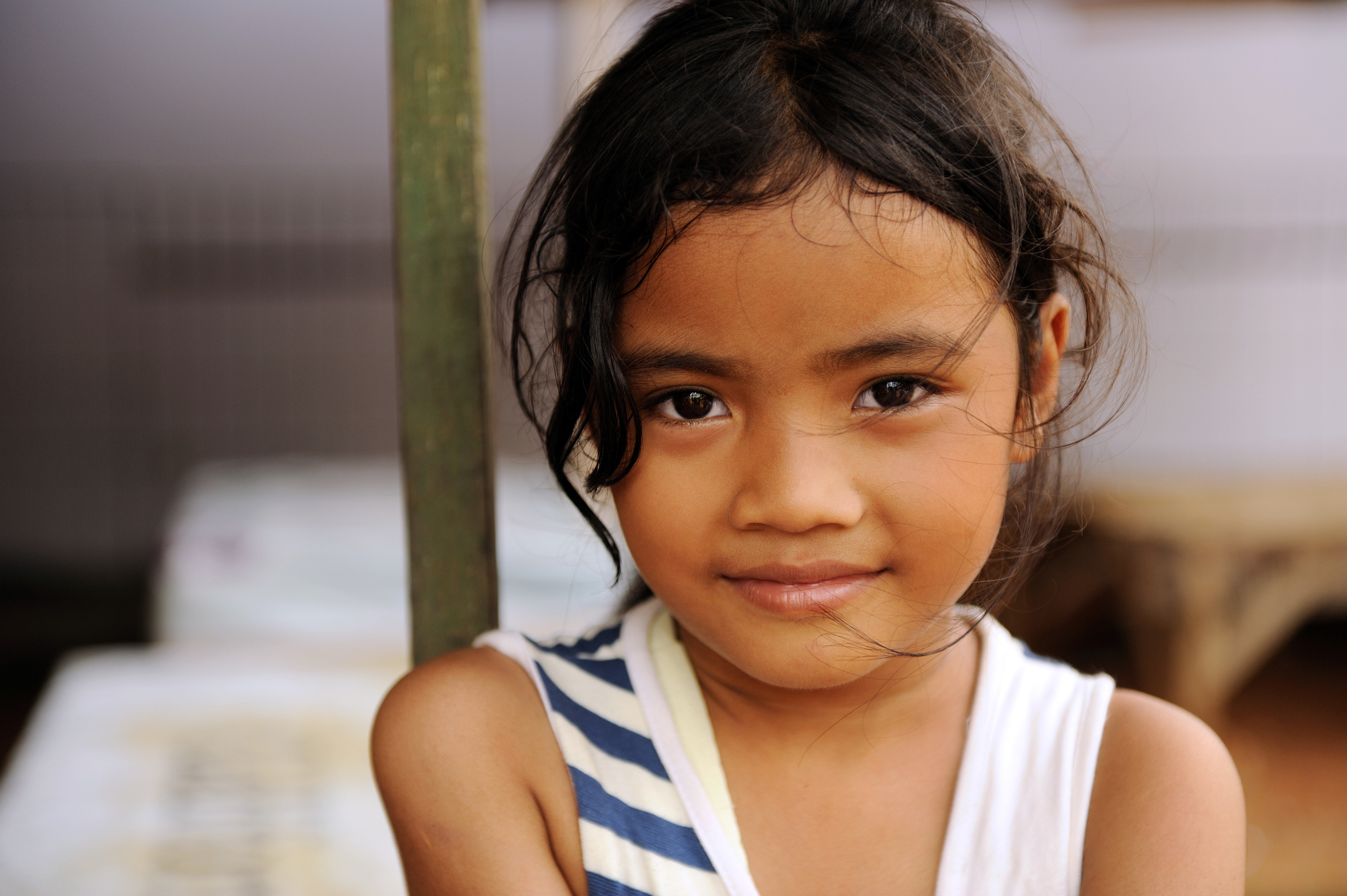
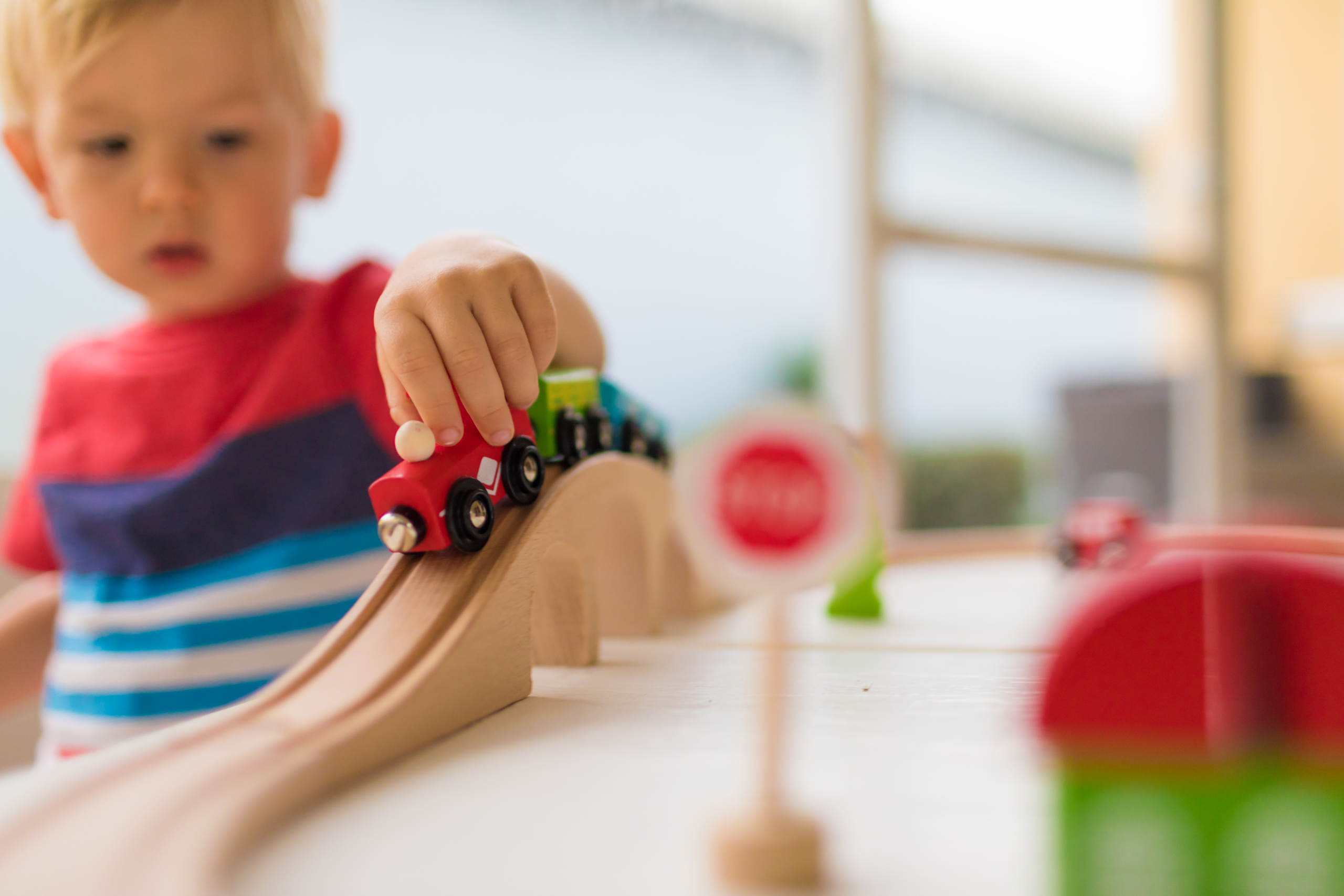
Research has shown that birth through age 3 is the period of a child’s most rapid and sensitive development, and studies have proven that when a family encounters financial hardship during a child’s early years, the experience can disrupt the child’s brain development and compromise the foundation of their learning, behavior and health. That’s problematic, but there’s evidence supporting the idea that an infusion of even a relatively small amount of cash can make a notable difference to families living in poverty and help alleviate these hardships, thus improving their early development and setting them up with better odds in life.
The solution seems straightforward. Give families with children living in poverty more money. Right?
According to Anna Thom, an economist and researcher for the Prenatal-to-3 Policy Impact Center (PN3), it’s not quite that simple.