Prenatal care generally refers to individual patient care received from an obstetric care provider during pregnancy. Adequate prenatal care refers to both the amount and timing of prenatal care. Prenatal care is important for optimal birth outcomes.
Participation in group prenatal care improves the likelihood that mothers receive adequate prenatal care and may impact mothers’ physical and emotional health and breastfeeding initiation.
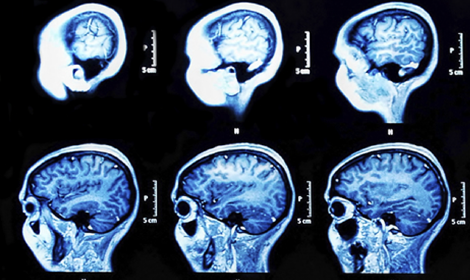
The most rapid period of growth for the human brain occurs in the earliest years of life. Our health and wellbeing prenatally and during the first 3 years of life affect all future learning, behavior, and health.
Community-based doulas provide non-clinical emotional, physical, and informational support to expectant parents, starting during pregnancy and continuing throughout the postpartum period.
Community-based doulas are trained social service professionals who provide non-clinical emotional, physical, and informational support to expectant parents, starting during pregnancy and continuing throughout the postpartum period. When integrated into a larger system of supports
With most legislatures adjourned for the year, we recap the 2024 action on state policies to support children and families. So far this year, lawmakers throughout the country debated—and many passed—legislation that aligns with four key components of the prenatal-to-3 system of care.
Barriers to health care, high-quality health insurance, and parental leave work together to leave families and children vulnerable during the perinatal period. These barriers can shape life-long outcomes, particularly for children from historically marginalized groups.
Cynthia Osborne discusses the work of the Prenatal-to-3 Policy Impact Center, which focuses on building the evidence base for effective state policies to improve outcomes for infants, toddlers, and their families. Read the full article