Lorem ipsum dolor sit amet, consectetuer adipiscing elit, sed diam nonummy nibh euismod tincidunt. Learn More

Home Visiting and Child Welfare Involvement: A Matched Comparison Group Study

PRINT

Our newly published study in Child Maltreatment reinforces the importance of considering unsubstantiated child welfare investigations in research on home visiting. It is one of the largest quasi-experimental studies to date on the effects of home visiting on documented child maltreatment during a child’s first two years of life. This publication is part of our ongoing work to build the evidence base around PN3 policies.


Access the full article in Child Maltreatment

Related

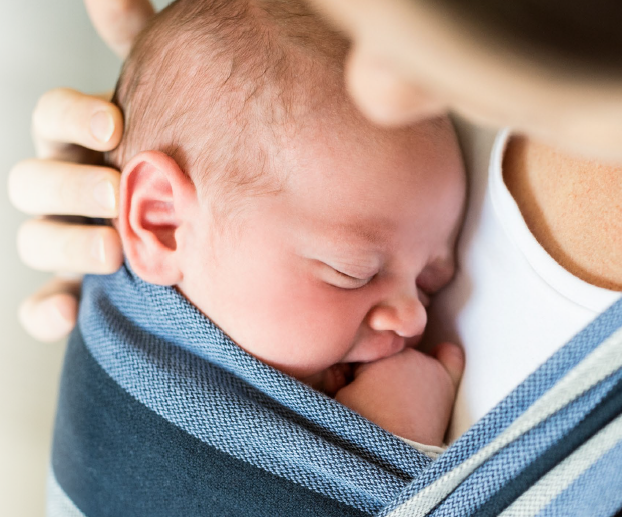
Baby held close to their mother's chest

Effective Early Childhood Governance: Lessons Learned from Governance Change

Governance change does not happen overnight, and states rarely accomplish it alone. Drawing on case studies of five states that consolidated their early childhood systems, a new brief from the Prenatal-to-3 Policy Impact Center identifies seven lessons learned, from sustained advocacy to strong, collaborative leadership, that can help state leaders pursue governance change reflecting their own early childhood goals.

Little girl smiling

Early Childhood Governance Typologies: Patterns in State Governance Across the Nation

State choices in early childhood governance shape whether families can easily find, access, and use the services their children need. A new brief from the Prenatal-to-3 Policy Impact Center maps how all 50 states and the District of Columbia organize these systems, identifying three governance typologies (whole child, school readiness, and parents' workforce participation) to help leaders align governance structure with their early childhood goals.
Mother holding baby close to her chest after delivery

New Research on Medicaid Work Requirements Highlights the Importance of State Policy Choices

As states implement new federal work requirements under OBBBA, several policy choices can help minimize unnecessary coverage loss.