Lorem ipsum dolor sit amet, consectetuer adipiscing elit, sed diam nonummy nibh euismod tincidunt. Learn More

How Do State Policy Choices Impact Family Resources?

PRINT

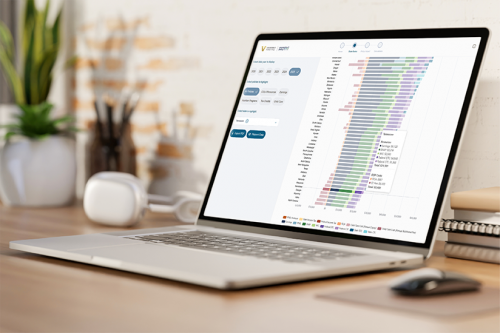
The Policy Impact Calculator compares the level of resources available to a full-time working family across states. This interactive tool offers a self-guided tour of the substantial variation in state policy choices for working families across the country during the critical prenatal-to-3 period. 

Working families living in neighboring states may be left with vastly different financial circumstances due to the policy choices of the state they call home. This brief compares the total resources available to a family in Pennsylvania and New Jersey – demonstrating how differences in policies across state lines matter for families. 
PIC-feature-image-825 x 550

Read the brief for more details on how neighboring states compare using the Policy Impact Calculator.

Related

State Policy Progress on Earned Income Tax Credits in 2025

State earned income tax credits (EITCs) provide financial support to low and moderate-income families, offering relief that can reduce poverty and improve economic stability. Research shows that access to supports such as EITCs can lead

Low Pay, No Matter the Path for Early Childhood Educators: Findings from North Texas

Early childhood educators are vital to shaping the development of young children, but despite the significant responsibility of nurturing young learners, many educators earn wages that fall far below a living wage. In this brief,

The North Texas Child Care Workforce Study

The North Texas early care and education (ECE) workforce plays a vital role in supporting children, families, and the economy. This report examines demographics and experiences of the ECE workforce, as well as the supply of child care programs they support.