Lorem ipsum dolor sit amet, consectetuer adipiscing elit, sed diam nonummy nibh euismod tincidunt. Learn More

Evidence of Impact for State Earned Income Tax Credit

PRINT

Download PDF

A refundable state earned income tax credit of at least 10 percent of the federal credit is one of the five most effective policies a state can implement to ensure children get off to a healthy start and thrive, and that promote greater equity in child wellbeing.

The state earned income tax credit (EITC) is a tax credit for low-income workers, typically calculated as a percentage of the federal EITC. The value and administration of the state EITC is determined by each state, including whether the state credit is refundable (providing a refund to households even in the absence of tax liability).

The most rigorous research studies show that a state earned income tax credit:

IMPACT OF STATE EARNED INCOME TAX CREDIT EVIDENCE OF IMPACT

Promotes healthy births

  • State EITCs led to increases in birthweight of between 16 grams to 104 grams, depending on the generosity level

Reduces racial disparities in birth outcomes

  • In states with refundable EITCs of at least 10% of the federal credit, Black mothers with a high school education or less saw greater reductions in low birthweight rates for their infants (1.4 percentage points) compared to White mothers with a high school education or less (0.7 percentage points)

Increases a family’s economic security

  • A $1,000 increase in average federal and state EITC benefits led to an increase of $2,400 in the pre-tax earnings of households with infants and toddlers, and poverty was reduced by 5 percentage points
  • State EITCs boosted mothers’ annual wages by 32%

Boosts maternal labor force attachment

  • A state EITC set at 10% of the federal credit increased employment among single mothers by 2.1 percentage points compared to single women with no children

Visit the Clearinghouse for the comprehensive evidence review on State Earned Income Tax Credit.

The prenatal period to age 3 is the most sensitive and rapid period of growth for the brain and body. State policy choices have a substantial impact on the wellbeing of infants, toddlers, and their parents, and on promoting equity among children. See the Prenatal-to-3 State Policy Roadmap for more information on the most effective policies and strategies states can implement to help children thrive from the start.

Have questions? Please contact us.

Related

Family holding a baby

Prenatal-to-3 Policy Impact Center Partners with Thriving Wisconsin to Examine Family Needs and Priorities

A new research partnership will gather insights from Wisconsin parents to help inform policies and programs supporting families with young children.
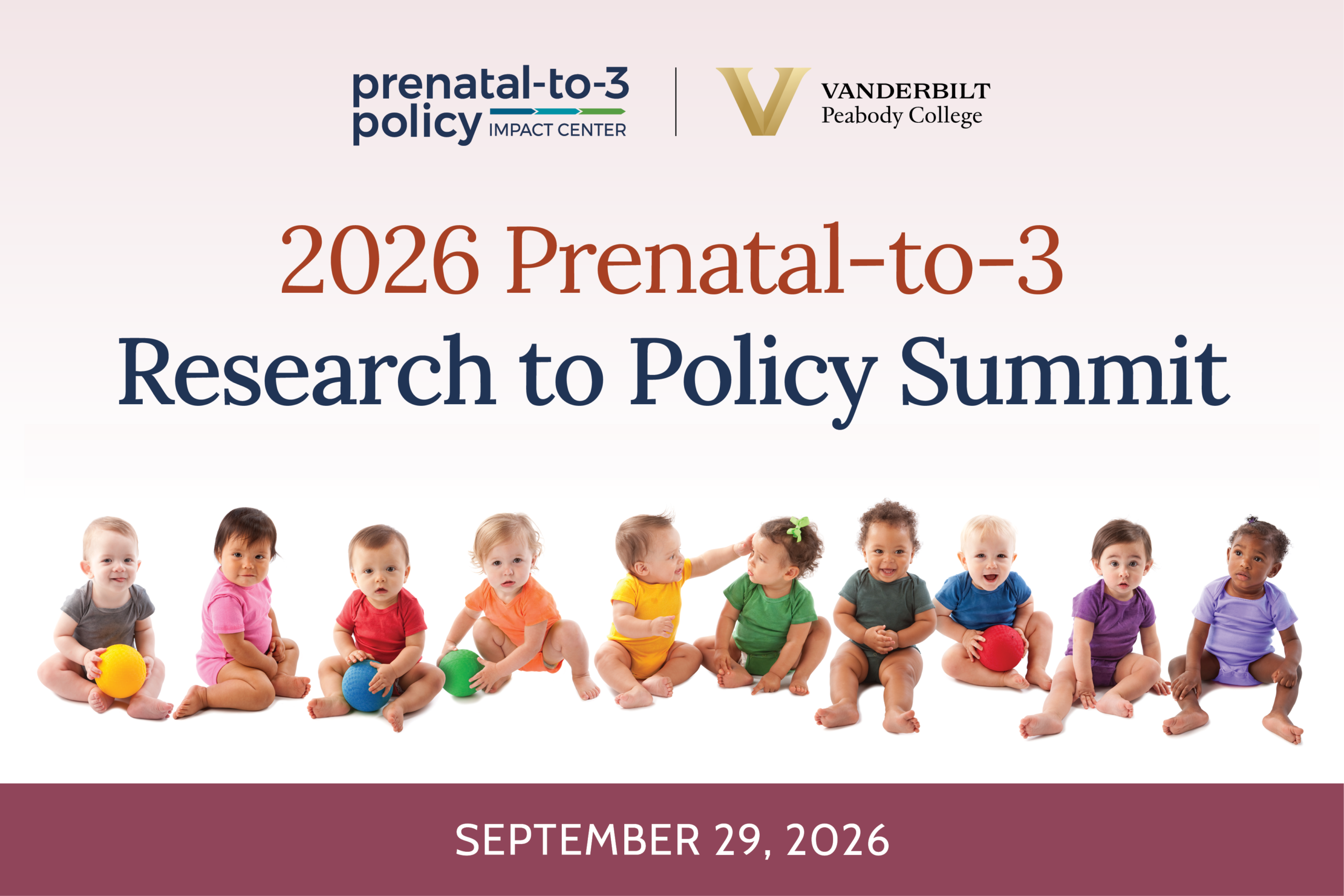
Banner that says "2026 Prenatal-to-3 Research to Policy Summit"

2026 Prenatal-to-3 Research to Policy Summit

Did you miss the Summit? Click here to access the full recording.
Smiling baby

Ten Years, Hundreds of Policies, Millions of Families

Millions of families with young children have benefited from the hundreds of investments states have made since 2016