Lorem ipsum dolor sit amet, consectetuer adipiscing elit, sed diam nonummy nibh euismod tincidunt. Learn More

Economic Supports

Economic support programs provide relief to those struggling with economic adversity, such as that caused by joblessness, low income, or disability. These programs can help families with children access resources critical to optimal child development. Economic supports can take the form of cash transfer programs, tax credits, or home visiting programs that offer basic needs support.

Featured Resources

A minimum wage establishes a floor for workers’ hourly wages to prevent exploitation by employers and ensure a minimum level of compensation.

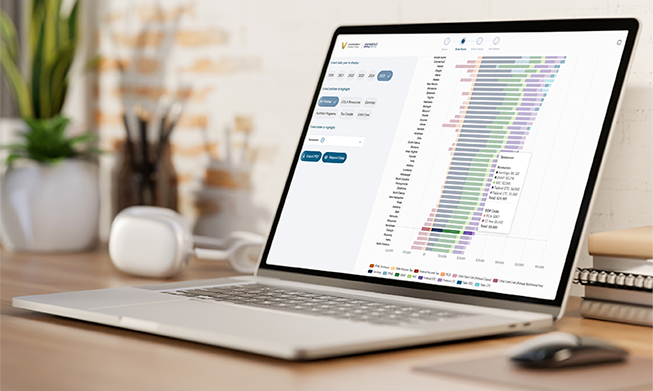
What level of resources does a single parent with an infant and a toddler have to provide for their children in your state?

Our analysis demonstrates that the annual public benefits of the elective refundable state EITC program would outweigh its costs.

Related Resources

Child playing with toy trainset

Willing Providers, Waiting Families: Subsidized Child Care in North Texas

Child care subsidies are a necessity for many families with low incomes, helping parents afford the care that makes employment and education possible. Providers who participate in the subsidy system play a central role in
Missouri State Capitol building in Jefferson City, Missouri

2025 Prenatal-to-3 Legislative Roundup

With most legislatures adjourned for the year, we recap the 2025 action on state policies to support children and families. So far this year, lawmakers throughout the country debated—and many passed—legislation that aligns with four key components of the prenatal-to-3 system of care.

State Policy Progress on Earned Income Tax Credits in 2025

State earned income tax credits (EITCs) provide financial support to low and moderate-income families, offering relief that can reduce poverty and improve economic stability. Research shows that access to supports such as EITCs can lead

How Do State Policy Choices Impact Family Resources?

The Policy Impact Calculator compares the level of resources available to a full-time working family across states. This interactive tool offers a self-guided tour of the substantial variation in state policy choices for working families
Little boys play with a wooden railroad in a stylish nursery.

Low Pay, No Matter the Path for Early Childhood Educators: Findings from North Texas

Early childhood educators are vital to shaping the development of young children, but despite the significant responsibility of nurturing young learners, many educators earn wages that fall far below a living wage. In this brief,

State Policies to Promote Infant and Early Childhood Mental Health

Did you know state policies play an important role in promoting infant and early childhood mental health?  Infant and early childhood mental health (IECMH) describes the capacity of a child leading to healthy social and